Ukraine Accelerates Search for Satellite Alternatives Amidst Starlink Instability
Reliance on Elon Musk’s network is prompting urgent strategic shifts in European and Ukrainian defense communications.
By Camila Rodriguez ·
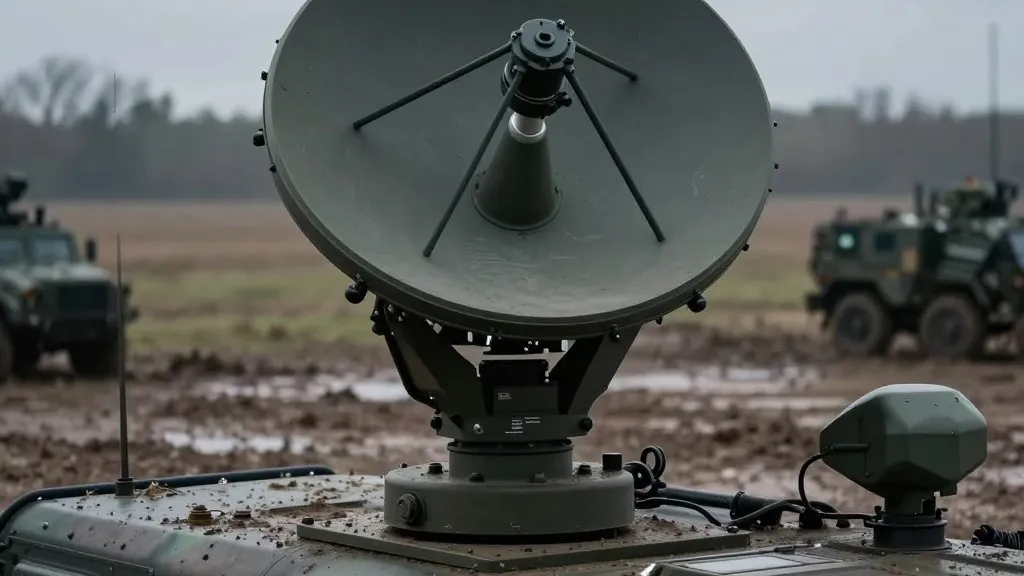
Elon Musk’s Starlink constellation has long served as the backbone of Ukraine’s digital infrastructure, but the service’s recent unreliability is forcing a fundamental reevaluation of its role in the conflict. As political influences begin to weigh on operational consistency, Kyiv and its European partners are confronting the urgent necessity of developing viable alternatives to the world’s largest communications satellite network. This shift is driven by the latest surprise disruptions to service, which have exposed critical vulnerabilities in a system that Ukraine has depended upon for years to resist Russia’s full-scale invasion.
The strategic importance of this network cannot be overstated. For the duration of the war, Starlink has provided high-speed Internet and robust data streams to a wide array of users and vehicles, provided they are equipped with a compact terminal. This connectivity has been vital for both civilian life and military operations. Crucially, it has expanded the Ukrainian military’s capacity to remotely control drones and provide real-time guidance. These capabilities have been integral to air defense efforts against Russian attacks and for executing strikes against Russian targets, making the satellite network a force multiplier for Ukrainian forces.
Despite its dominance, the system is not without physical constraints. According to the head of hardware research and development at the Ukrainian defense company BlueBird Tech, Starlink currently offers some of the best satellite coverage available. The executive noted that when considering the combination of cost, availability, and ease of use, there are virtually no competitors. However, the representative, who provided comments anonymously for security reasons, highlighted that the primary practical limitation remains the need to position the antenna correctly to receive signals from the satellites.
Financial support for this infrastructure has been substantial, with the United States government and European nations such as Poland and Germany paying SpaceX for tens of thousands of commercial Starlink terminals to be deployed in Ukraine. These governments have also covered the ongoing subscription fees to keep the service active. This significant international investment underscores the depth of reliance on the commercial platform to sustain the war effort.
In addition to the commercial terminals, the US government has granted Ukraine’s military access to a specialized, military-grade version of the service known as Starshield. This variant allows for more secure and robust communications tailored to defense needs. According to the BlueBird Tech representative, Ukrainian defense companies are also able to test their technologies in cooperation with the military using this system, further integrating the satellite network into the nation’s broader defense ecosystem.
The growing unpredictability of the service, linked to Musk’s political inclinations, is now shaping a new phase of the conflict. With the network facing challenges in reliability, the focus is shifting toward how to maintain essential communications without it. This transition is not just a technical adjustment but a strategic imperative for Ukraine and Europe, aiming to secure their digital lifelines against potential future disruptions.
As the situation evolves, the search for alternatives becomes a central component of the defense strategy. The goal is to ensure that the loss of a single provider does not cripple operational capabilities. This proactive approach reflects a broader lesson in modern warfare: the importance of diversified communication channels to maintain resilience in the face of technological and political uncertainties.
Source: Ars Technica