Tesla Sets 2026 Deadline for Cybercab Customer Deliveries
Tesla aims to start handing over its two-seater robotaxi to private buyers by year-end, though most units will remain in the company's own fleet.
By Gabriela Flores ·
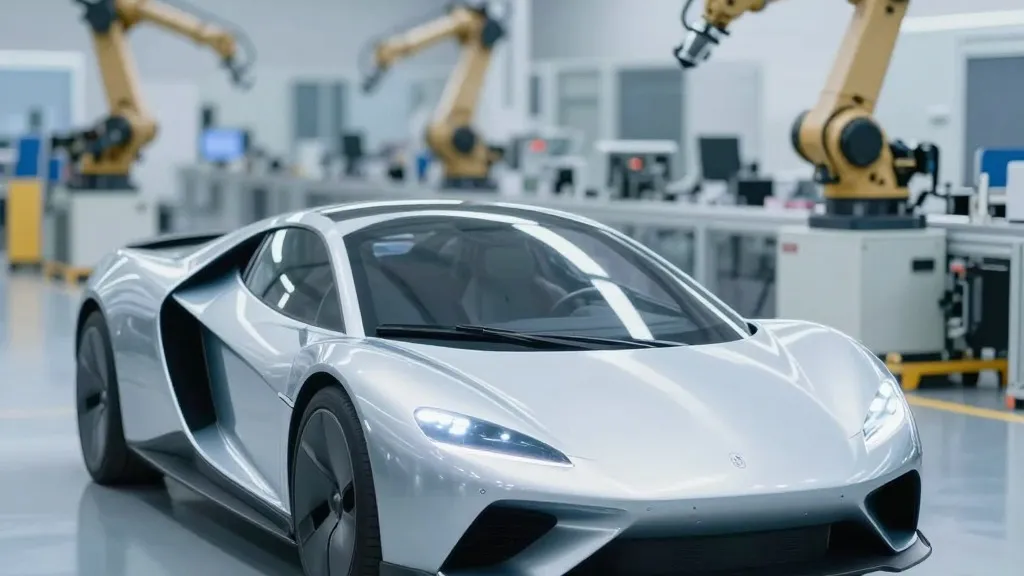
The long-standing question of when Tesla’s autonomous two-seater would actually reach private hands has been answered. Following years of speculation and shifting timelines, the company has confirmed that customers will begin receiving Cybercab units before the end of 2026. This development marks a pivotal shift in Tesla’s strategy, moving the vehicle from a prototype phase into active production and distribution for individual ownership, albeit on a limited scale.
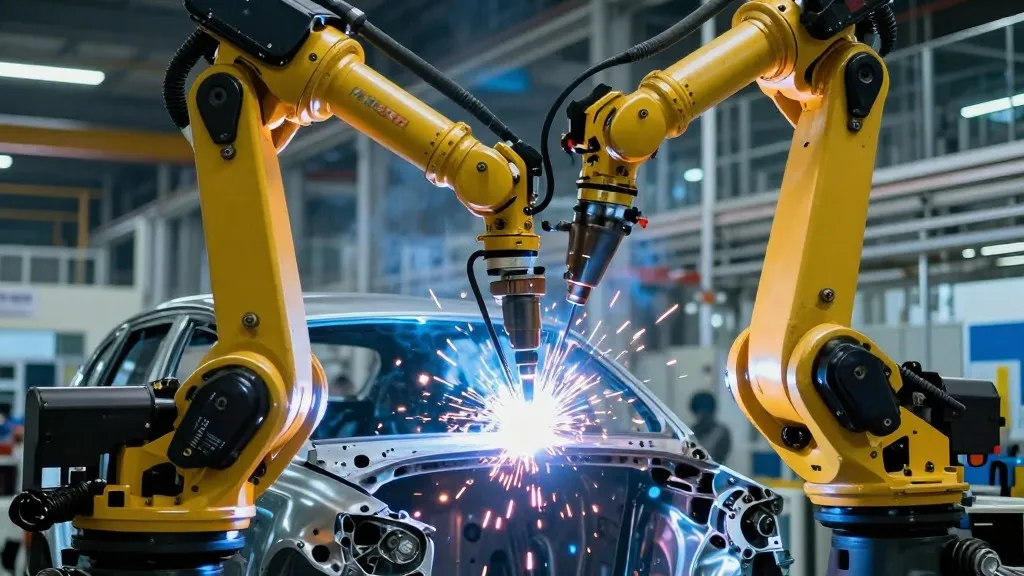
During the third-quarter 2026 earnings call held on October 21, Lars Moravy, Tesla’s Vice President of Engineering, provided the specific target date. He stated that the company is working to get Cybercabs into the hands of customers by the end of this year. Moravy clarified that production is currently active on the assembly line at Gigafactory Texas. However, he noted that every unit rolling off the line at this stage is being directed toward Tesla’s internal Robotaxi fleet rather than private buyers.
The immediate availability of the vehicle to the general public is part of a phased rollout. Moravy explained that as operations expand, Tesla will primarily deliver these fully designed autonomous vehicles to its customer base, with the Cybercab serving as the first model in this category. The initial wave of private deliveries will be small in number. This cautious approach allows the company to refine its logistics, determine optimal ownership models, and manage the complexities of operating autonomous vehicles outside of its direct control.
CEO Elon Musk reinforced the idea that private ownership will not be the dominant use case for the Cybercab. He described the vehicle primarily as a “transport-as-a-service” offering, distinguishing it from personal cars like the Model 3, Model Y, or the upcoming Roadster. Musk emphasized that the vast majority of Cybercab units will remain Tesla-owned, operating within the company’s fleet to provide rides to the public.
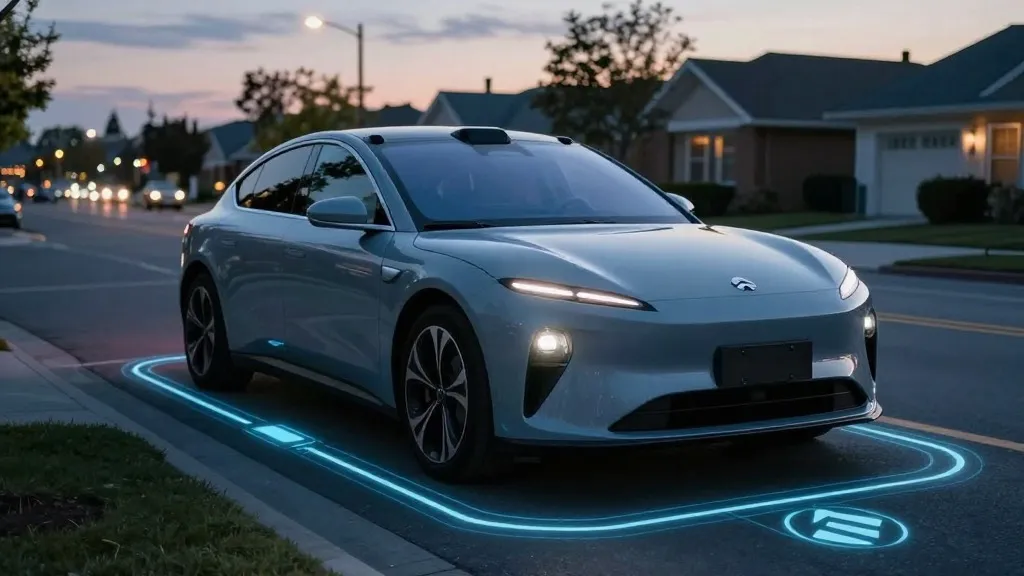
The Cybercab itself is a radical departure from traditional vehicle design. It is a two-seater car built without a steering wheel or pedals, relying entirely on Tesla’s Full Self-Driving suite for operation. Production of the vehicle began in February of this year. Early units were integrated into the Robotaxi service in early September, coinciding with the launch of public rides, which allowed the company to test the vehicle in real-world conditions before offering them for sale.
Regarding pricing, Tesla has previously indicated that it aims to sell the Cybercab for approximately $30,000. This price point is intended to make autonomous transportation accessible, though the limited initial production run suggests that availability will be scarce in the immediate term. The company is balancing the need to scale production with the necessity of ensuring safety and reliability in its autonomous systems.
A key factor influencing the timing of unsupervised Full Self-Driving capabilities is regulatory approval. Ashok Elluswamy, Tesla’s Head of AI, indicated during the call that unsupervised Full Self-Driving is expected to ship to consumer cars during the second quarter of 2027. This timeline suggests that while customers may receive their Cybercabs by the end of 2026, the full, unrestricted autonomous experience may come slightly later.
There are still hurdles to clear before widespread delivery. Early buyers or fleet operators may find that their vehicles’ autonomous operation remains geographically restricted. This is largely due to the pace at which regulatory agencies are updating frameworks to accommodate fully driverless vehicles. These restrictions mean that the vehicle's capabilities may vary by location in the initial phase of ownership.
The announcement resolves much of the uncertainty surrounding the Cybercab's market entry. By setting a firm date for customer deliveries, Tesla has signaled that the vehicle is ready for a broader audience, even if most units will initially serve the company's own ride-hailing service. The coming months will be critical as the company navigates the transition from internal fleet testing to private customer handovers.
For consumers in the Southeast and other regions, the news offers a clear timeline for when this technology becomes accessible. While the majority of the fleet will remain under Tesla’s management, the option for private ownership is now on the horizon. The company’s focus on scaling delivery logistics and managing autonomous operations will determine how quickly the Cybercab moves from a niche offering to a common sight on roads.
Source: Teslarati