Humanoid Robots: Tesla Pushes Optimus Launch to Late 2027
Tesla CEO Elon Musk admits the robot's hands and AI still need work, delaying external deliveries by a year.
By Imani Brooks ·
Tesla’s humanoid robot timeline just slipped again.
Elon Musk told investors on the Q3 2026 earnings call that the company will not start delivering Optimus units to outside customers until the end of 2027. He cited three remaining hurdles: the robot's hands, its overall durability, and its artificial intelligence. These are the same technical struggles facing every major player in the humanoid robot market right now.
The history of the Optimus project shows a pattern of shifting dates. In 2024, Musk predicted internal use by 2025 and high-volume external sales in 2026. By January 2025, he claimed Tesla would build about 10,000 units that year, with several thousand doing useful work by year's end. He later admitted that none of those predictions held true. Now, the goal for external sales has moved to late 2027.
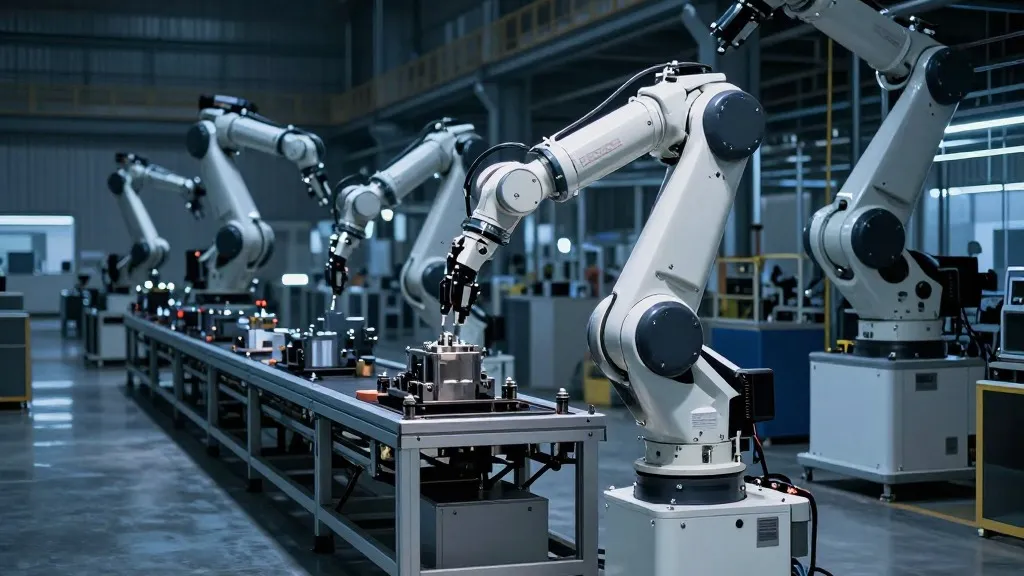
Tesla has begun early production of Optimus on a high-volume line in Fremont, California. This facility previously built Model S and Model X vehicles. Musk says most of the line designed for a million robots per year is already installed. However, he expects it will take at least a year, and possibly longer, to reach a production rate of 20,000 units per week. Parts of the design are still changing, which slows down the ramp-up process.
The main hardware challenge is the robot's hand. A Tesla Optimus engineer identified the hand as one of the hardest components to perfect, along with custom gears that have reliability issues. Musk agreed, explaining that the fingers must be soft enough to handle delicate objects but tough enough to survive constant wear. Unlike human skin, robot fingers cannot heal themselves. The AI side also faces hurdles because Tesla lacks a fleet of robots collecting real-world data like its cars do. To fix this, the company plans to build 10,000 to 20,000 robots to practice tasks in a dedicated training environment called the Optimus Academy. Tesla also plans to install its AI5 chip in the robots around April 2027.
Musk claims no other company is close to matching Tesla's progress. However, competitors are making significant moves. XPeng activated an automated production line for its IRON robot in Guangzhou in September. That line has more than 80% of core processes automated. XPeng aims for mass production by the end of 2026 and deliveries in the first half of 2027. Its timeline is similar to Tesla's, if not slightly ahead. The company has not yet shipped IRON to a paying customer, but it is moving quickly.
Boston Dynamics offers another comparison. It began producing its electric Atlas robot in January. All of its 2026 Atlas deployments are already committed, including to Google DeepMind. In September, the company opened a robot training center at Hyundai’s Metaplant in Georgia. Atlas is learning to sequence car parts for the assembly line there. Hyundai plans to deploy 25,000 robots across its plants in the coming years. Boston Dynamics took a pragmatic approach to hands by prioritizing sturdy grippers over human-like dexterity, effectively sidestepping the specific problem that is holding Tesla back.
Tesla says its Q3 shareholder letter marks the first time it has manufactured production-quality bots. This implies that every Optimus made before this quarter was not production quality. Musk promised a video within a month or two showing the robot performing unscripted tasks. He argues that many current demos are just pre-programmed routines. For now, the industry waits to see if late 2027 will be the year Optimus finally becomes a practical tool rather than a delayed prototype.
Source: Electrek