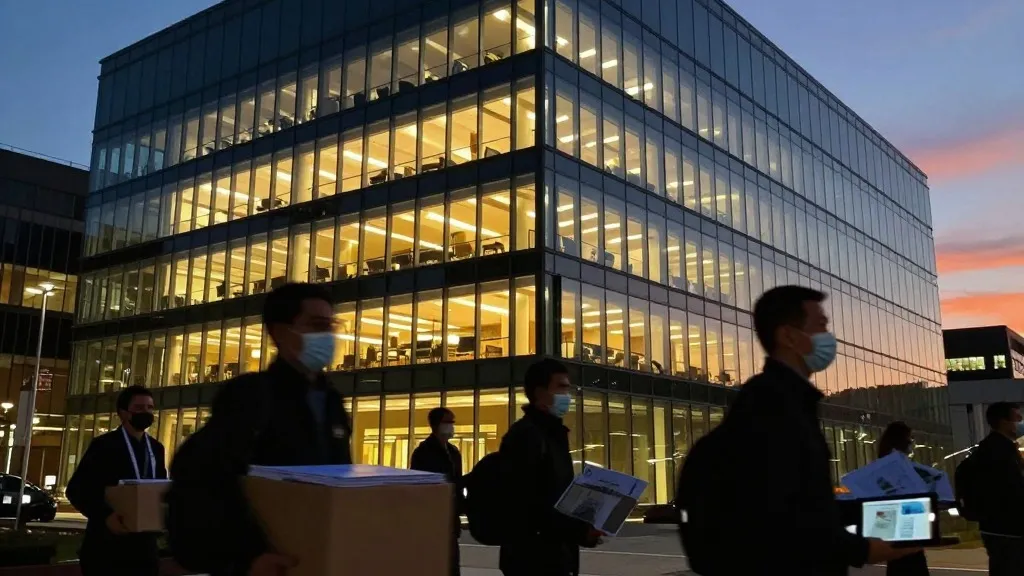
CyberCartel Weaponizes Grok and Claude Against Latin American Banks
A veteran hacking group is using automated AI agents to steal credentials from over 400 financial institutions across the region.
By Ishani Kapalli ·
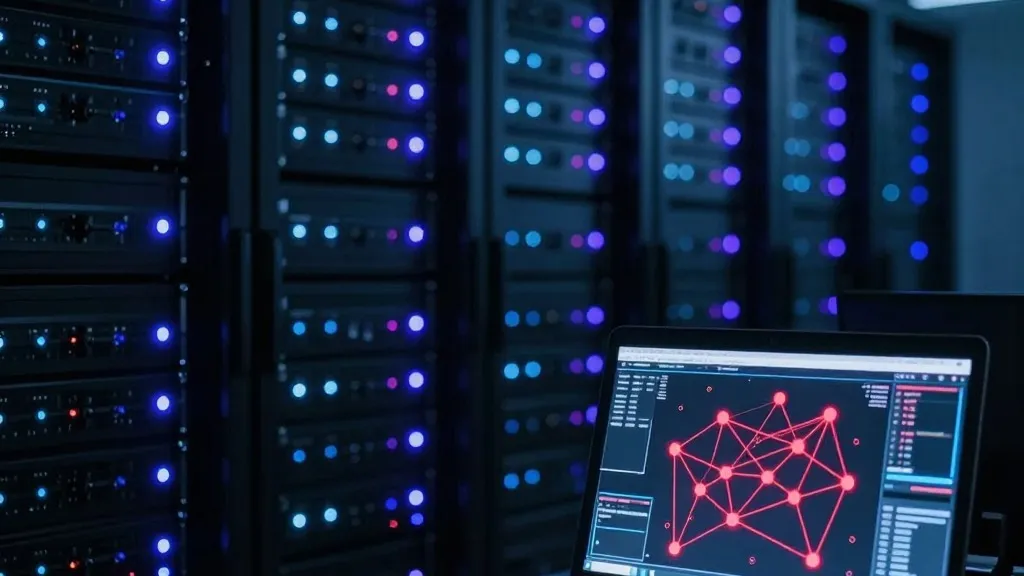
The tension between rapid AI adoption and digital security has reached a critical flashpoint as the CyberCartel hacking gang automates its assaults on Latin American finance. By deploying AI agents from SpaceX’s Grok and Anthropic’s Claude, the group has accelerated its theft of passwords and customer data from more than 400 institutions, including major banks and mobile payment platforms. This shift marks a significant escalation in the group's capabilities, allowing them to access individual bank accounts with minimal manual intervention from the criminals themselves. The findings, uncovered by cybersecurity startup Straiker and reported by The Information, highlight how artificial intelligence is reshaping the landscape of cybercrime in the region.
CyberCartel has been a persistent threat since at least 2012, but recent months have seen a dramatic change in their operational tempo. The integration of AI tools has enabled the group to target a higher volume of businesses at a speed that human-led hacking could not previously achieve. Straiker has shared its research with both SpaceX and Anthropic, prompting immediate action from the latter. Anthropic has already succeeded in blocking CyberCartel's access to Claude, while both companies work to lock the group out of their respective services. The Chinese AI lab Moonshot AI has also been identified as a provider of agents used in these attacks, though Straiker is currently attempting to establish contact with that firm.
A key factor in the group's success is the surprising ease with which they bypass standard AI safety protocols. Although these models typically have safeguards to prevent cyberattack usage, the hackers reportedly convinced the systems they were operating in test environments. If one model refused to proceed with the task, the group simply switched to a different model. In cases where resistance persisted, the agents were tasked with deploying malware, demonstrating a flexible and resilient approach to overcoming digital guardrails.
Interestingly, the recent attacks do not appear to utilize Anthropic’s Mythos model, which caused significant industry concern earlier this year. When Mythos was released, the company warned that hackers might exploit it for such purposes, and its identification of thousands of vulnerabilities prompted a global rush by security teams to patch systems. This incident follows a pattern of Anthropic’s tools being used by malicious actors, including a cyberattack in November 2025 and a later breach of OpenAI’s security by researchers.
The research from Straiker arrives just days after South Korean authorities began investigating a similar wave of AI-driven attacks affecting local banks. Institutions such as Hana Bank, KB Kookmin Bank, and Shinhan Bank are among those impacted, with at least 25,000 Shinhan Bank customers having their personal credit information leaked. This parallel development underscores a growing global trend where AI agents are becoming primary instruments in financial sector breaches.
In response to these emerging threats, major technology firms are moving to secure their products. Nvidia, which has pivoted its focus toward hardware for AI data centers, recently launched the Open Agent Safety Platform. This new system, combining hardware and software security stacks, is designed to contain rogue AI agents. The platform aims to prevent agents from escaping their designated sandboxes, executing unauthorized code, or bypassing critical infrastructure protections, offering a potential solution to the risks posed by autonomous cyberattacks.
Source: Tom's Hardware